
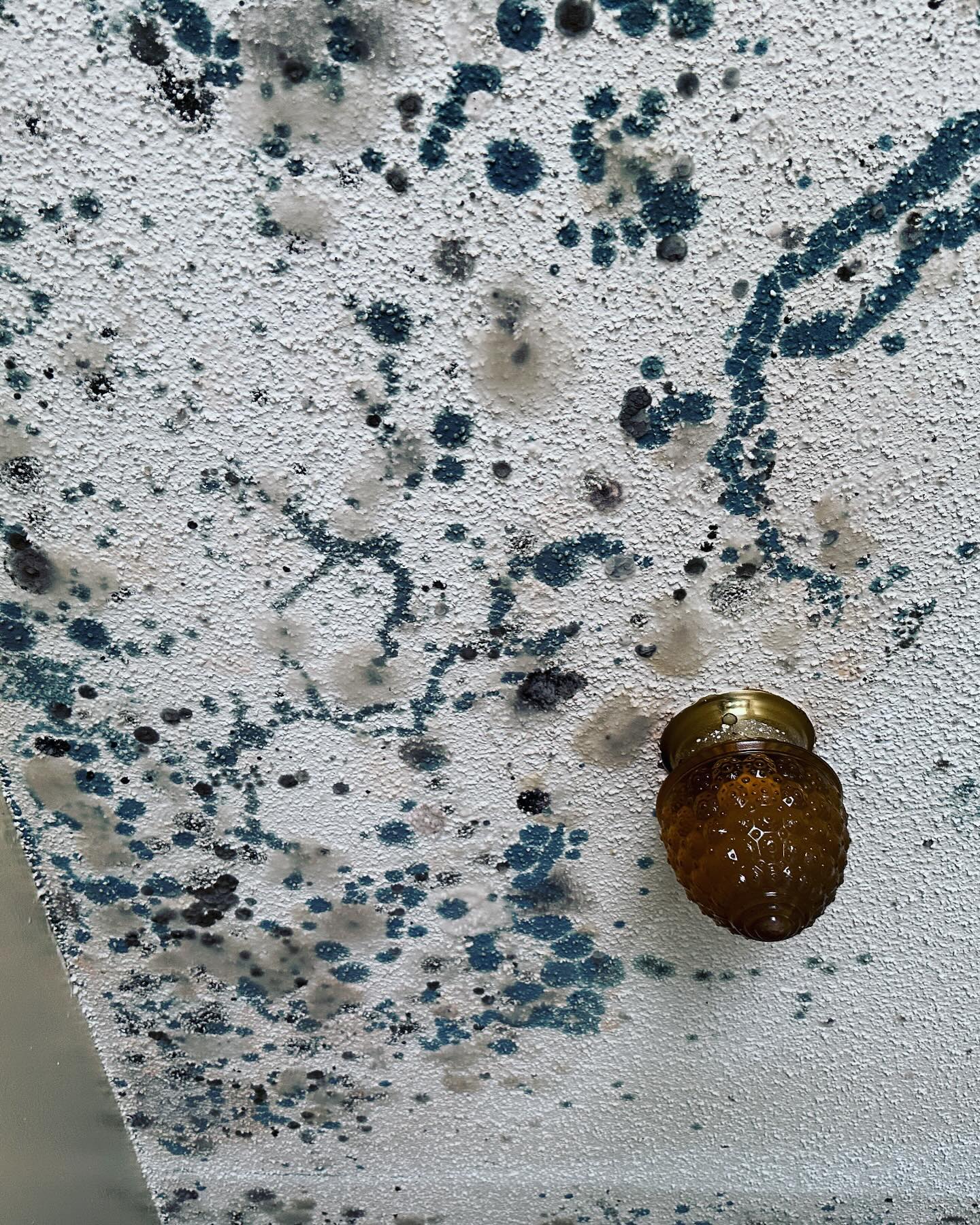
Mold in the home is a common concern for many homeowners, especially when it comes to “black mold.” However, there are several misconceptions surrounding mold identification and treatment, which can make it difficult to know when and how to take action. An independent, third-party mold assessment can help dispel these myths and ensure a proper approach to mold removal and remediation.
1. All Black Mold is Toxic
One of the most prevalent misconceptions is that all black mold is toxic. While it is true that Stachybotrys chartarum, often referred to as “black mold,” can produce mycotoxins that are harmful when inhaled in large amounts, not all black mold species are toxic. Many species of mold, including black-colored varieties, are non-toxic and pose no significant health risk.
The key to understanding mold toxicity lies in the specific type of mold and the conditions under which it grows. Mold, whether black or green, may only become harmful under certain environmental conditions, such as when a large colony is allowed to grow and release spores into the air. To identify whether mold in your home is hazardous, it’s important to conduct a professional mold assessment.
2. Mold is Always Visible to the Naked Eye
While mold is often visible as dark, blotchy spots on walls or ceilings, it doesn’t always show up in places where it may be causing damage or affecting air quality. Mold spores are microscopic and can be present in hidden areas, such as inside walls, under flooring, or in ventilation systems, without leaving visible signs on the surface.
Mold can thrive in damp, poorly ventilated areas, such as basements, bathrooms, or attics, and can go undetected for long periods. This is why hiring an independent, third-party mold assessor is crucial. These experts use advanced tools like moisture meters, thermal imaging cameras, and air quality testing equipment to detect hidden mold growth that may not be visible.
3. DIY Mold Removal is Sufficient
Many people assume that cleaning mold with bleach or other common household cleaners is enough to solve the problem. While this may kill some surface mold, it does not address the underlying cause of the mold or prevent it from returning. Mold removal is a delicate process that requires the correct cleaning methods and proper containment of spores to avoid spreading contamination to other areas of the home.
In cases of widespread or toxic mold, a professional mold remediation service should be contacted. An independent mold assessor can help determine the severity of the issue and recommend the right course of action. They are also able to guide homeowners through the process of finding certified remediation specialists who use industry-approved techniques.
4. Mold Problems Can Be Fixed by Simply Removing the Source of Moisture
While eliminating moisture is a critical step in controlling mold, it is not always the final solution. Mold spores can remain in the environment long after the moisture source has been addressed. These spores can continue to affect indoor air quality, potentially leading to health problems like allergies, respiratory issues, and other concerns.
A comprehensive mold assessment will not only focus on the moisture source but will also evaluate the extent of contamination and the necessary steps to fully remediate the problem. This may involve professional cleaning, replacing contaminated materials, and ensuring the home is properly ventilated to prevent future mold growth.
5. Mold Removal Guarantees the Problem is Gone for Good
Many people believe that once mold has been removed, their home will be safe from future mold issues. However, without addressing the root causes, such as chronic moisture problems or inadequate ventilation, mold can return. Mold thrives in environments that are consistently damp, and without proper remediation and preventive measures, mold growth can reoccur.
A third-party mold assessor can help homeowners ensure that their home is free of mold and remains protected. They can offer recommendations on improving indoor air quality, ventilation, and moisture control to minimize the risk of future mold infestations.
How Independent, Third-Party Mold Assessments Help
An independent, third-party mold assessment provides a thorough, unbiased evaluation of the mold situation in a home. This ensures that homeowners are not misled by mold remediation companies that might exaggerate the extent of the problem for financial gain.
These assessments typically involve:
- Visual Inspection: A thorough inspection of the property, including areas that may not be immediately accessible.
- Moisture Testing: Tools to measure moisture levels in walls, floors, and other materials that could indicate hidden mold growth.
- Air Quality Testing: Sampling of air to identify airborne mold spores, which can help detect mold in areas not visible to the eye.
- Sample Collection: Mold samples are collected and sent to a laboratory for analysis, identifying the exact species of mold present and its potential toxicity.
Once the mold assessor has completed their investigation, they provide a detailed report with findings and recommendations. This may include a protocol for mold remediation, preventive steps to avoid future mold issues, and advice on improving ventilation and moisture control.
By using an independent assessor, homeowners can ensure they are taking the right steps to protect their health and property, without falling victim to common misconceptions about mold.